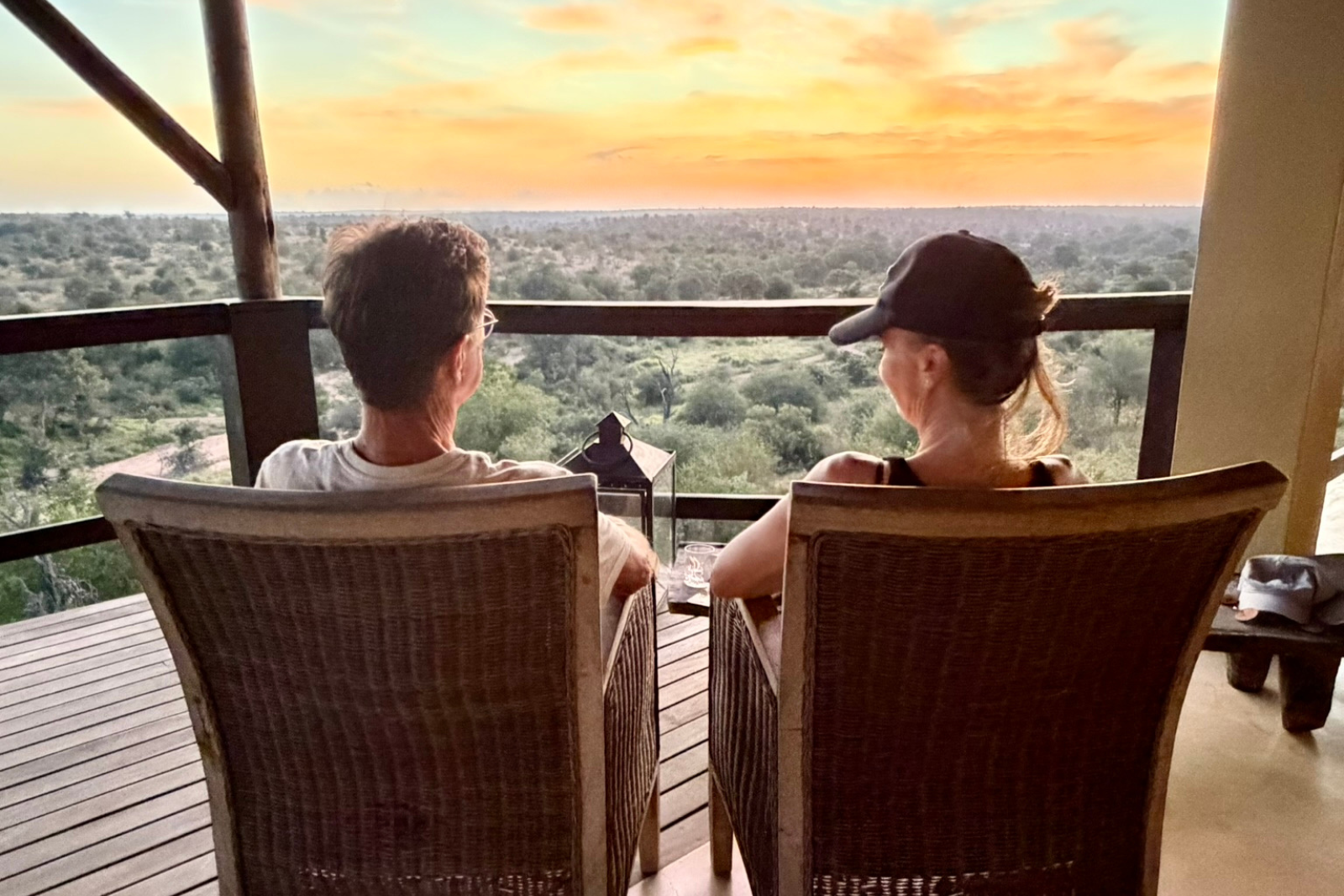
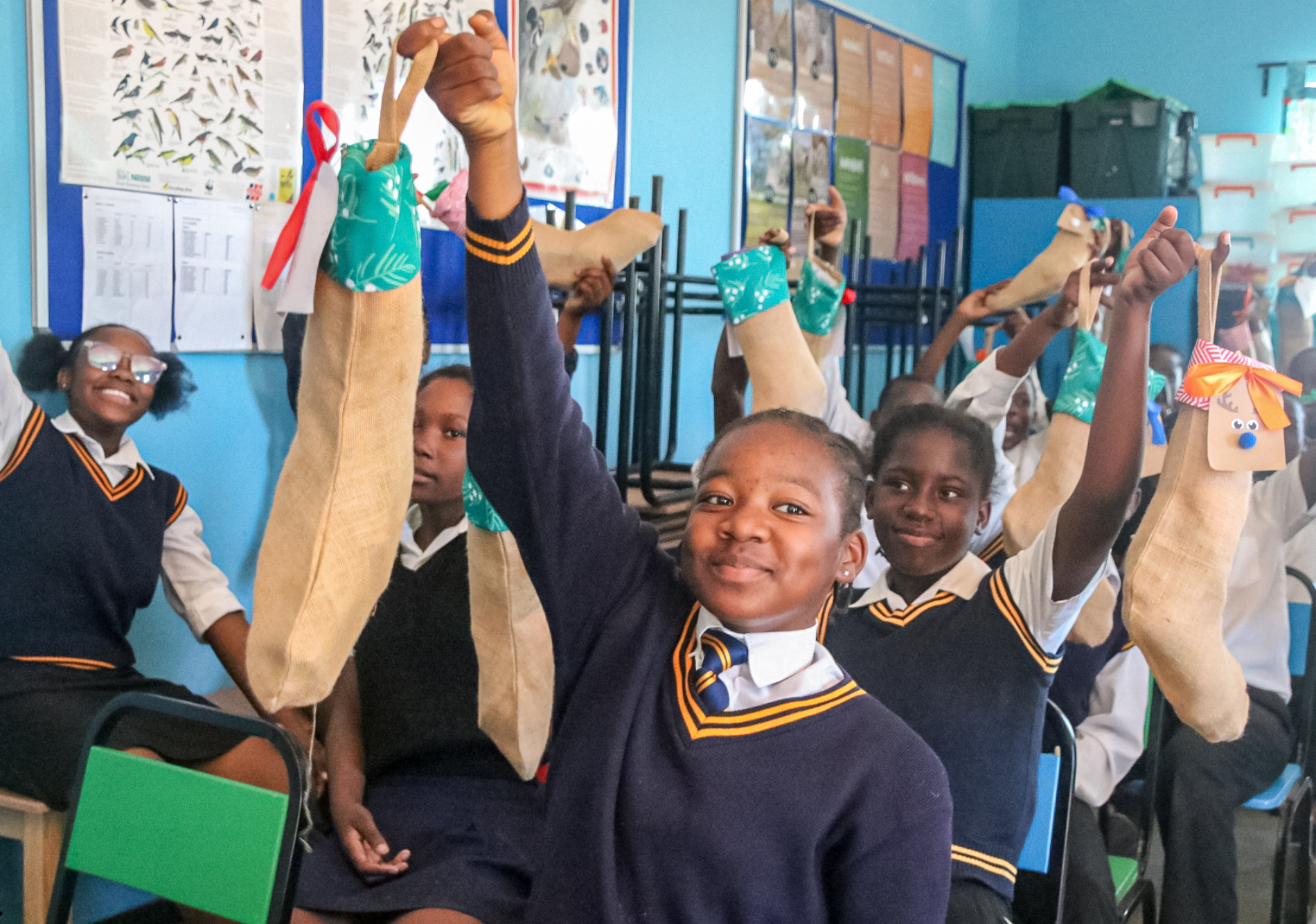
A journey to the Klaserie Private Nature Reserve is not simply a holiday.
It is a decision. A contribution. A commitment to something far greater than a few days spent in the African bush.
For many guests, a safari is remembered through extraordinary wildlife encounters, quiet mornings in untouched wilderness, and moments of connection that are difficult to put into words. Yet what is often unseen is the immense effort required to protect and preserve these experiences, not only for today, but for future generations.
The Klaserie remains one of the few truly wild landscapes in Southern Africa. As part of the Greater Kruger ecosystem, wildlife moves freely across vast expanses of protected land, following ancient pathways that existed long before reserve boundaries, roads, or tourism infrastructure.
Keeping a landscape wild and free is not something that happens naturally in the modern world.
It requires constant dedication, funding, expertise, and people who have devoted their lives to conservation.
This is where responsible travel becomes far more meaningful than many people realise.
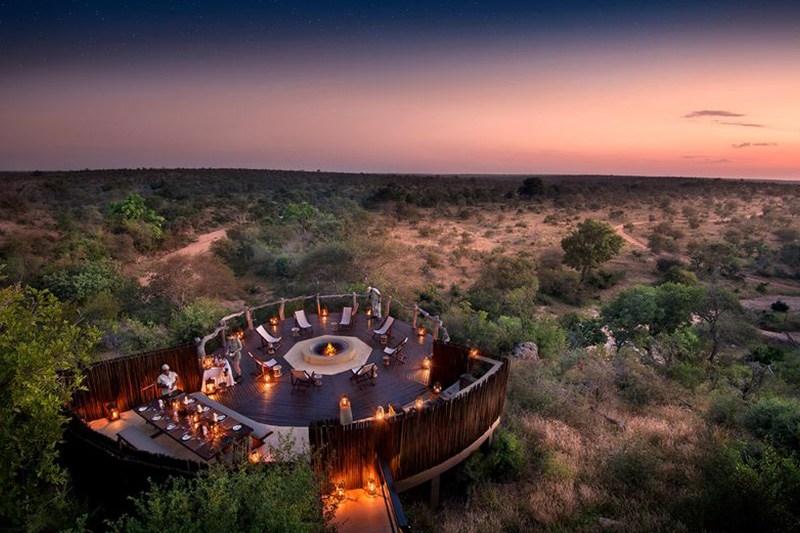
More Than a Safari
Across Africa, wildlife tourism plays a critical role in supporting conservation efforts. Protected areas, private reserves, and conservation landscapes rely heavily on tourism revenue to fund anti poaching initiatives, habitat protection, wildlife monitoring, ecological research, and reserve management. Studies continue to show that nature based tourism provides essential financial support for protected areas and creates direct incentives to conserve wildlife and wild spaces.
Every guest who chooses to visit a protected wilderness area becomes part of that conservation story. When travellers visit the Klaserie, they are not simply booking accommodation or purchasing a safari experience. Their presence directly supports the systems that allow this landscape to remain protected, functional, and ecologically intact.
Every game drive, every conservation levy, every night spent within the reserve contributes to safeguarding a landscape that supports extraordinary biodiversity and free roaming wildlife.
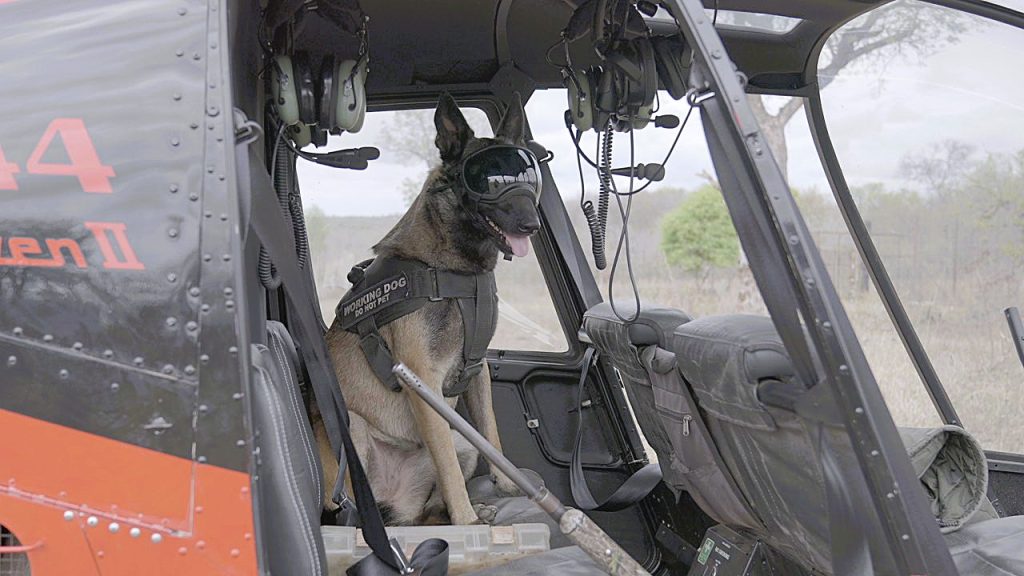
The Reality Behind Conservation
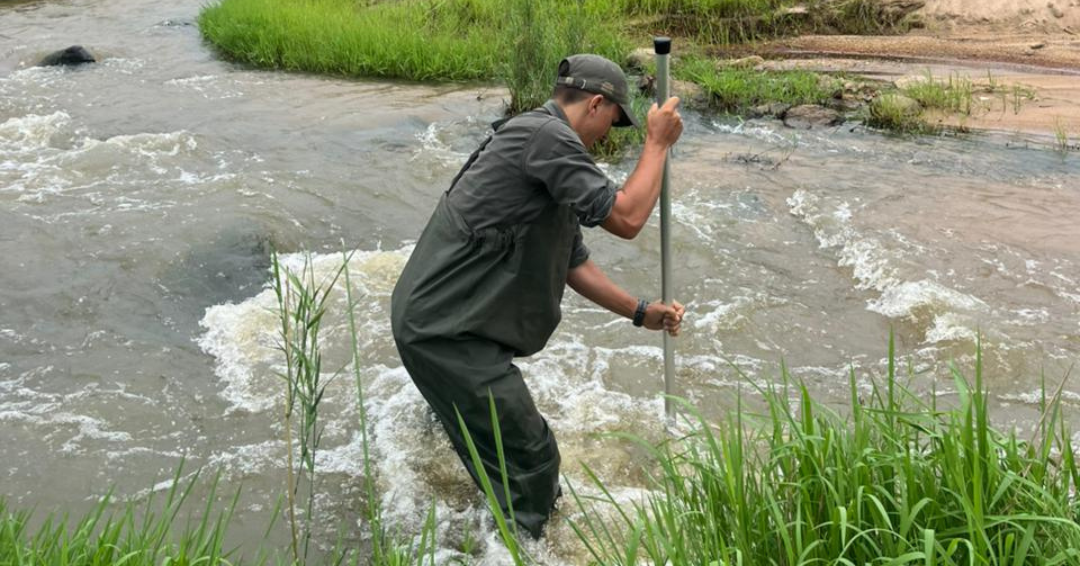
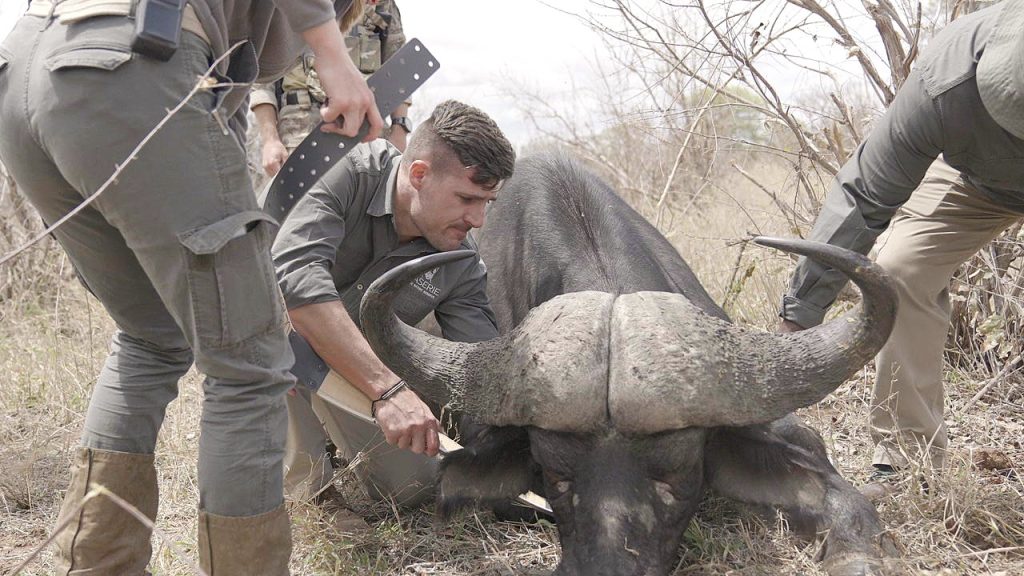
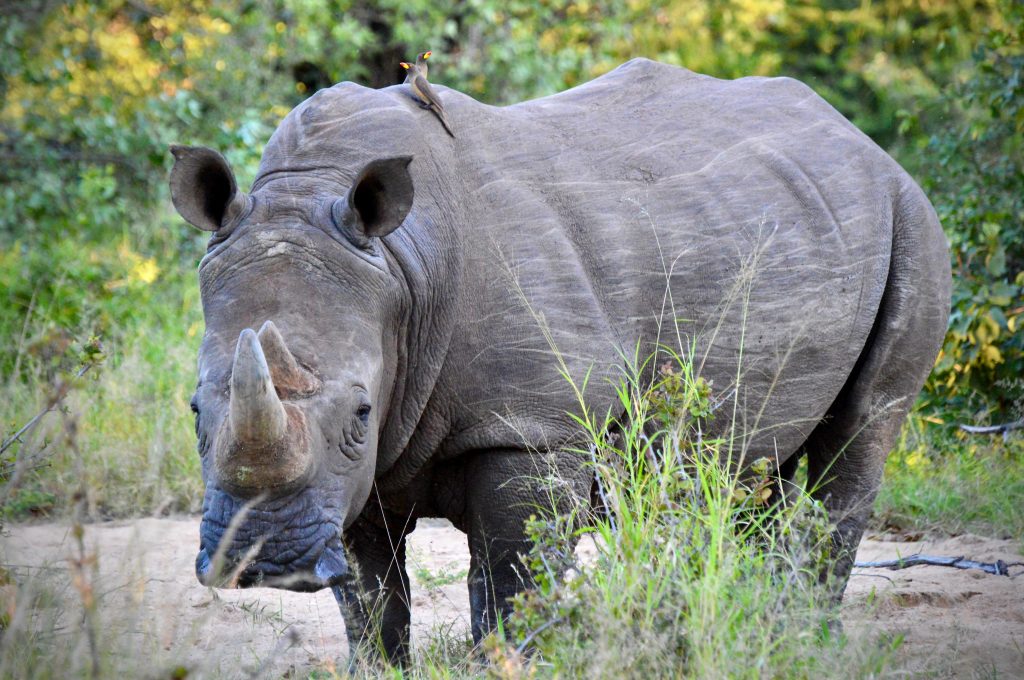
Behind every leopard sighting, every healthy lion pride, every rhino encounter, and every pristine river system is a network of conservation operations working continuously behind the scenes.
These efforts include:
- Anti poaching teams operating across vast wilderness areas
- K9 units trained to detect and deter wildlife crime
- Wildlife monitoring and ecological research programmes
- Habitat management and biodiversity protection
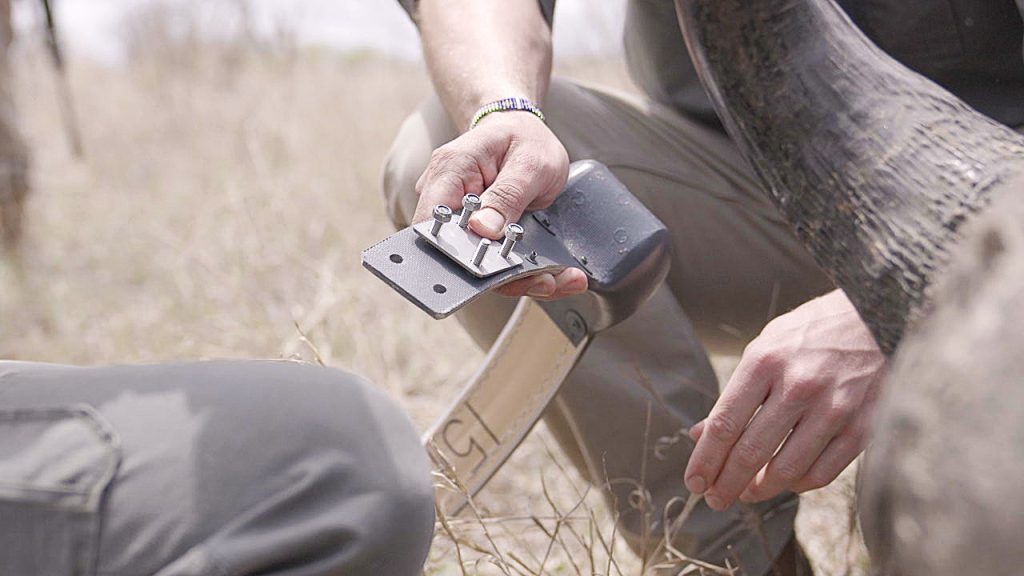
- Security technology and surveillance systems
- Environmental education initiatives
- Infrastructure maintenance across the reserve
- Veterinary interventions and species protection projects
- Ensuring compliance with environmental and protected area legislation
Conservation is often romanticised through photographs and stories, but the reality is that it requires substantial resources and long term investment.
Research consistently shows that conservation fees and tourism revenues are among the most important funding mechanisms available to protected areas, helping ensure the long term sustainability of wildlife conservation programme
Protecting Wildlife Means Protecting Landscapes
Conservation is not only about individual animals. It is about protecting entire ecosystems.
The Klaserie’s open boundaries allow wildlife to move freely across millions of hectares of connected wilderness, supporting natural ecological processes that are becoming increasingly rare across the world. This freedom of movement is essential for maintaining healthy wildlife populations, genetic diversity, and resilient ecosystems.
Protecting these landscapes means maintaining roads after heavy rains, monitoring water systems, managing invasive species, conducting ecological assessments, and ensuring that wildlife habitats remain functional and connected.
These are often the unseen aspects of conservation, yet they are among the most important. Without ongoing management and protection, even the most spectacular wilderness areas become vulnerable to degradation.
Conservation Creates Opportunity
The impact of tourism extends far beyond the boundaries of the reserve.
Every guest who visits the Klaserie contributes to a much broader conservation economy that supports people, businesses, and communities throughout the region. Conservation and tourism are deeply interconnected, creating opportunities that reach far beyond wildlife protection alone.
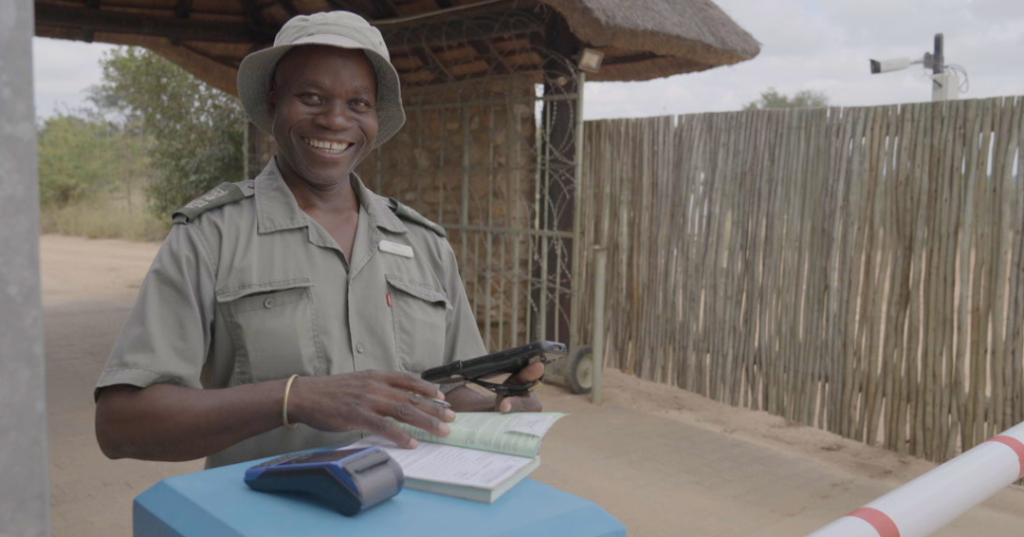
Tourism supports employment across a wide range of sectors, from guides, trackers, rangers, hospitality teams, maintenance staff, and security personnel to local suppliers, artisans, transport providers, and small business owners. Behind every safari experience is a network of people whose livelihoods are connected to the presence of a thriving wilderness economy.
Visitors also contribute to the local economy through accommodation, restaurants, shops, activities, transport services, and tourism operators operating throughout the Greater Kruger region. These contributions help create jobs, stimulate economic growth, and support families in neighbouring communities.
Importantly, tourism creates a tangible value for conservation. When wild landscapes generate sustainable economic opportunities, they become assets worth protecting for future generations. This creates a powerful connection between healthy ecosystems, thriving wildlife populations, and resilient communities.
In this way, every safari contributes not only to the protection of biodiversity, but also to the long term wellbeing of the people who live and work alongside these remarkable wild spaces.
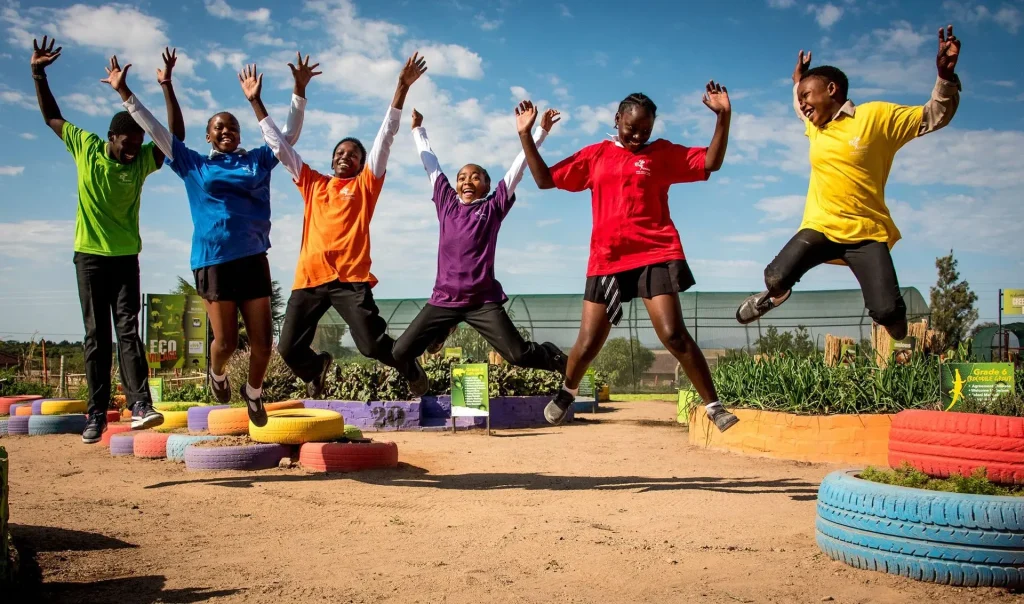
People Are at the Heart of Conservation
One of the most important truths about conservation is that it is ultimately driven by people.
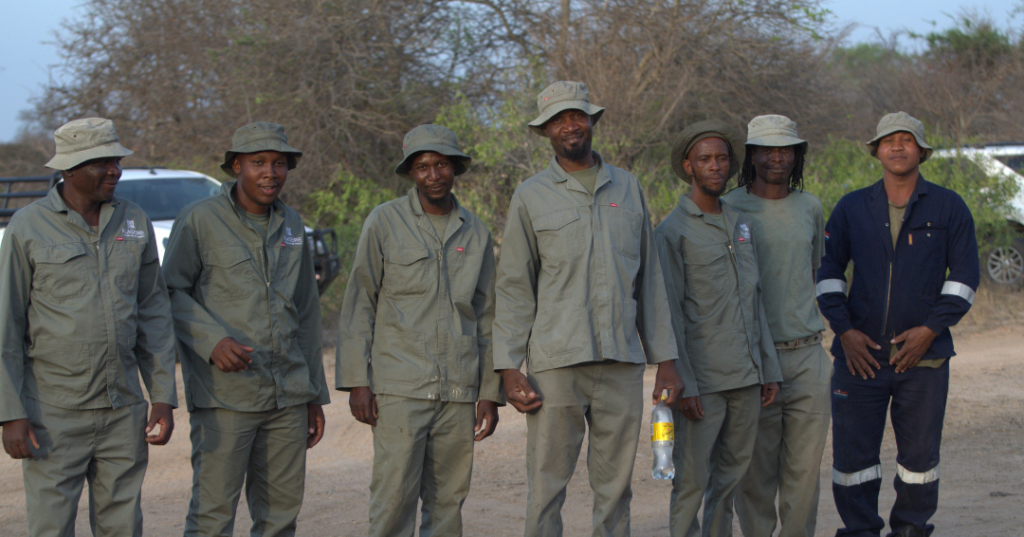
Behind every protected landscape are individuals working tirelessly to ensure its future.
Field rangers begin their days before sunrise.
Security teams monitor activity throughout the night.
Ecologists gather critical data to inform management decisions.
Conservation staff maintain infrastructure and support reserve operations in challenging conditions.
Community initiatives help foster awareness, education, and long term stewardship.
Across Africa, successful conservation increasingly depends on collaboration between protected areas, private reserves, tourism operators, local businesses, and neighbouring communities. Sustainable tourism supports wildlife protection while creating employment, generating local economic activity, attracting investment into rural areas, and fostering long term community participation in conservation. When people benefit from healthy ecosystems, conservation becomes a shared responsibility and a shared success.
The Klaserie’s commitment to conservation extends beyond wildlife. It is deeply connected to people, heritage, custodianship, and the responsibility of protecting something far larger than ourselves.
Travel With Purpose
The choices we make as travellers matter.
Where we travel. How we travel. What we choose to support.
In an era where wilderness is increasingly under pressure, conscious travel has the power to become one of conservation’s greatest allies. The global conservation sector has repeatedly demonstrated that when tourism supports protected areas responsibly, it can create lasting benefits for biodiversity, local communities, and the long term protection of wild landscapes.
When you visit the Klaserie, you become part of that effort.
You become part of protecting rhino, pangolin, wild dogs, vultures. All endangered species, Part of supporting anti poaching operations, Part of maintaining ecological integrity, Part of supporting jobs and livelihoods, Part of strengthening local communities, Part of preserving one of Africa’s last truly wild places, and perhaps most importantly, you become part of ensuring that future generations will still have the opportunity to experience wildlife as nature intended.
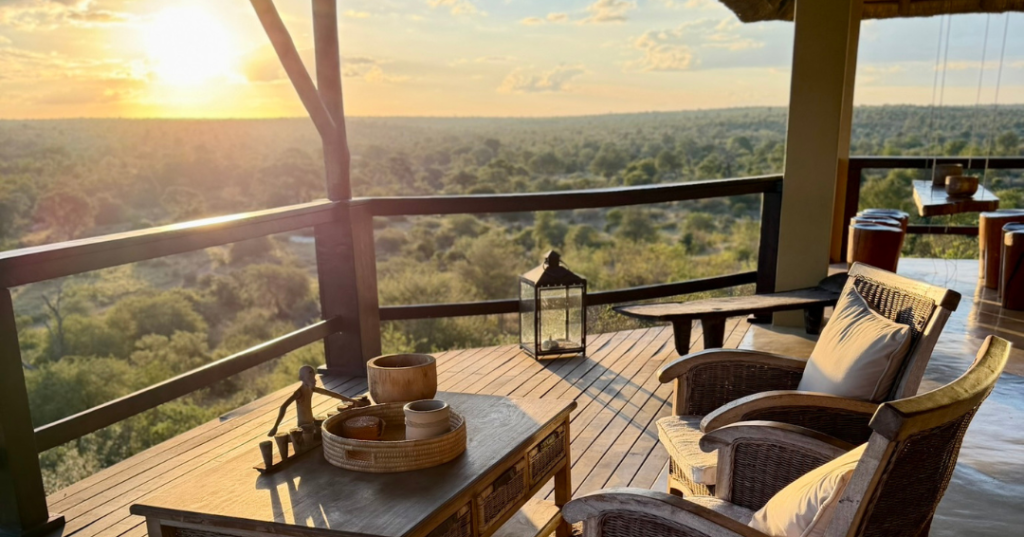
Wild and free.
Because not all travel leaves a footprint.
Some travel leaves a legacy.
Image Credit: Makumu Private Game Lodge