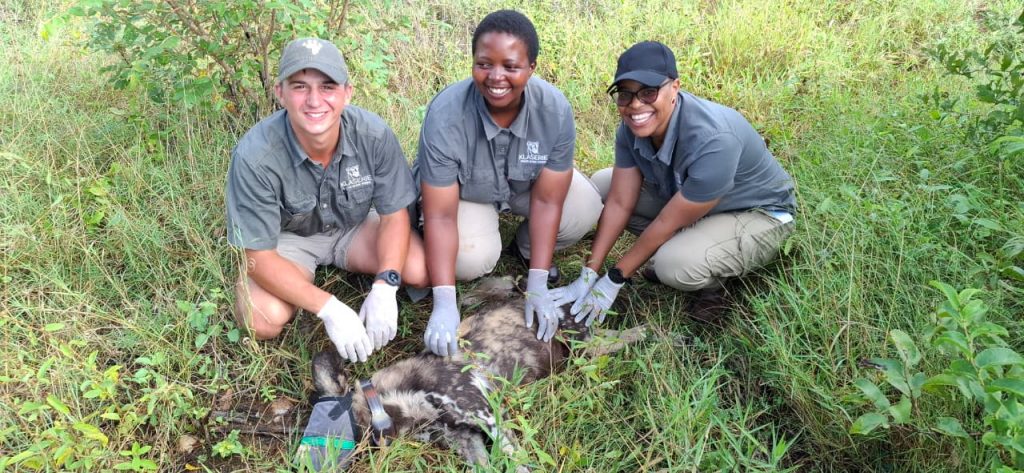
At the Klaserie Private Nature Reserve, conservation is a shared responsibility — one that relies on collaboration, science, and a deep respect for the natural world. In partnership with the Endangered Wildlife Trust, we recently undertook the successful re-collaring of an African wild dog, one of Africa’s most endangered and charismatic predators.
A Critical Moment in the Field
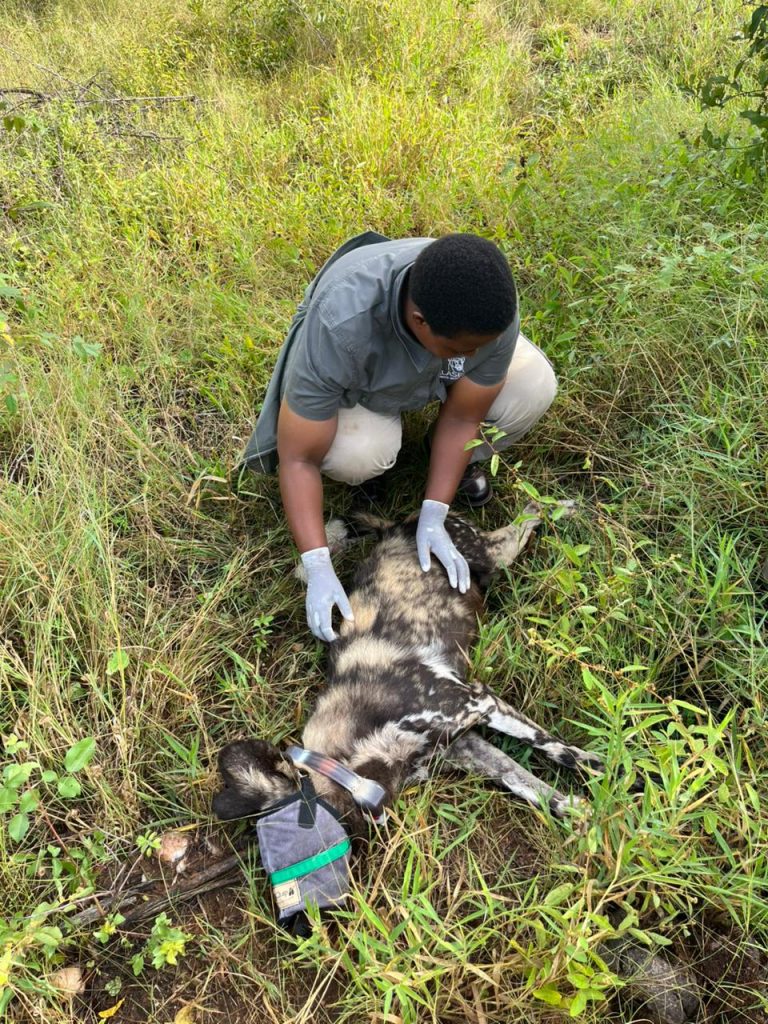
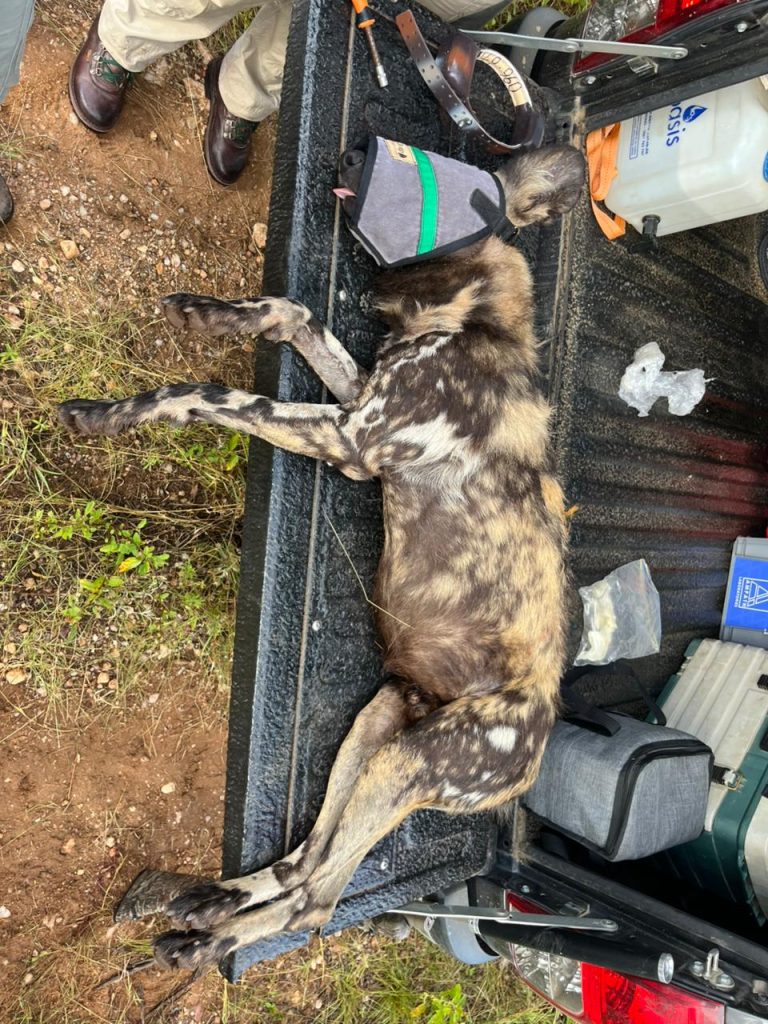
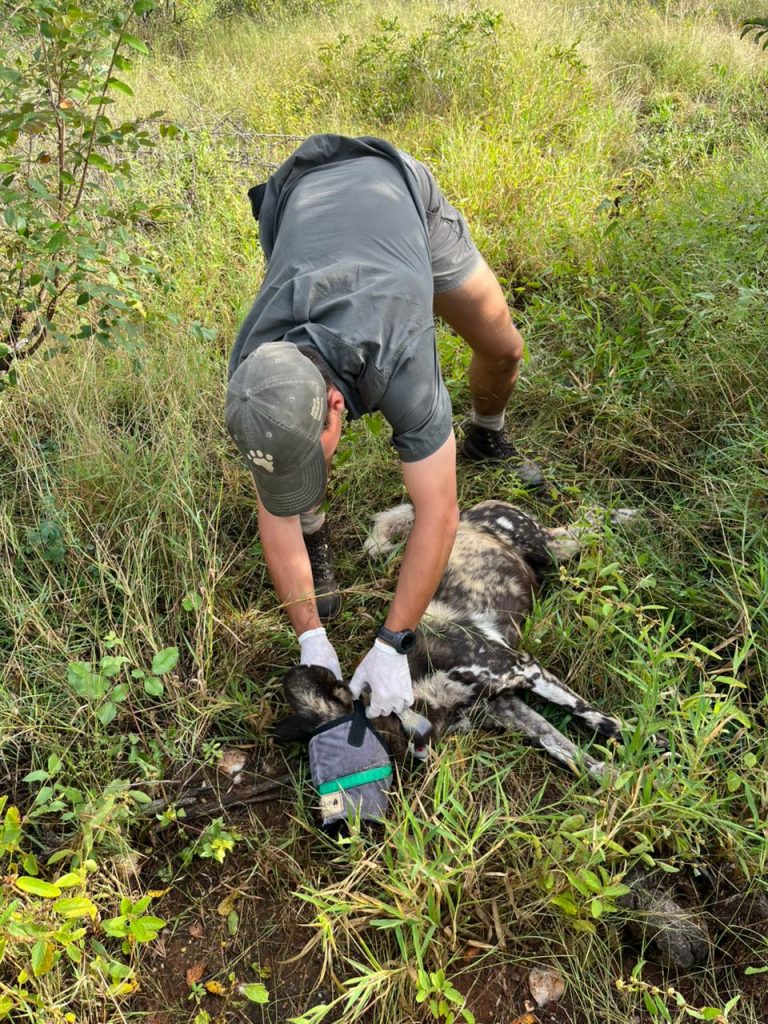
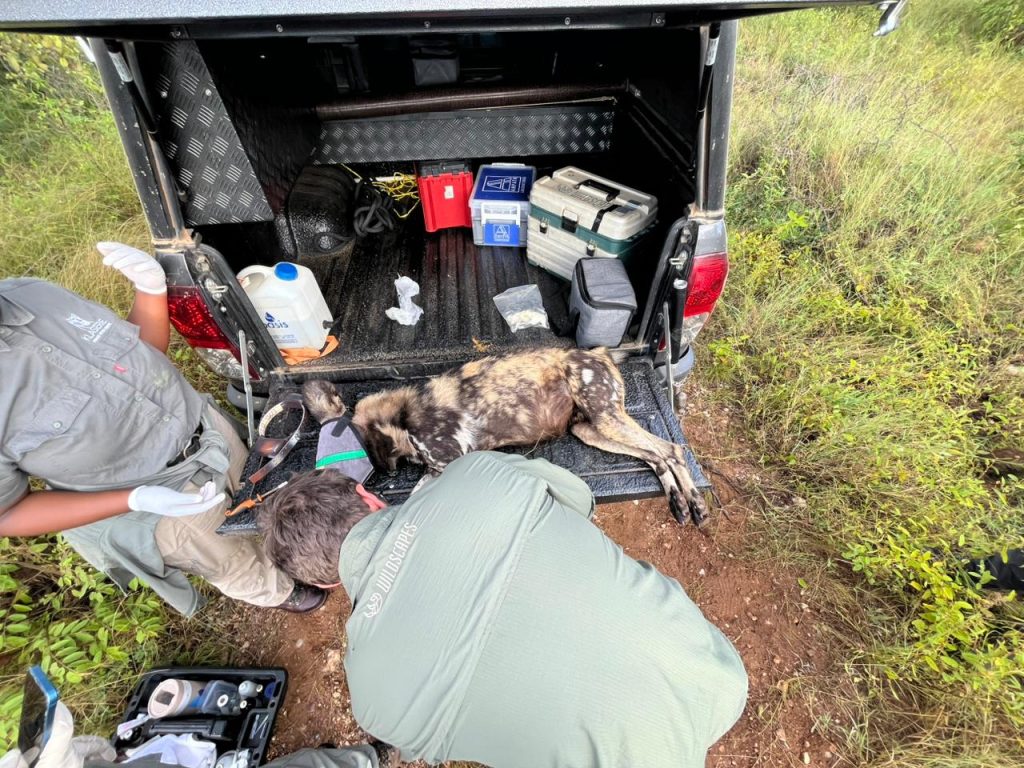
The operation was carefully planned and executed by a qualified veterinary team, ensuring the safety and wellbeing of the animal at every stage. Once safely immobilised, the wild dog was fitted with a satellite powered monitoring collar before making a full recovery and rejoining its pack — a seamless return to the rhythm of the wild.
While these moments may appear brief, they represent an essential intervention in the long-term conservation of the species.
Why Collaring Matters
African wild dogs roam across vast landscapes, often moving beyond protected boundaries in search of prey. Without the ability to track these movements, conservation teams would be limited in their ability to respond to threats that may arise as the pack traverses an expansive area.
Monitoring collars provide critical insights, allowing us to:
- Track pack movements across the Greater Kruger landscape
- Monitor pack dynamics and individual survival and causes of mortality
- Respond quickly when animals move into high-risk areas
- Strengthen long-term population research and conservation planning
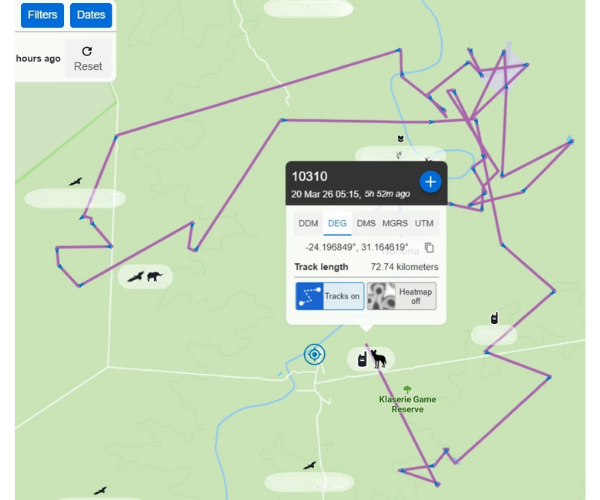
This data not only protects individual animals but contributes to a broader understanding of how wild dogs survive and what conservation intervention is required to ensure they thrive in an ever-changing environment.
Understanding the African Wild Dog
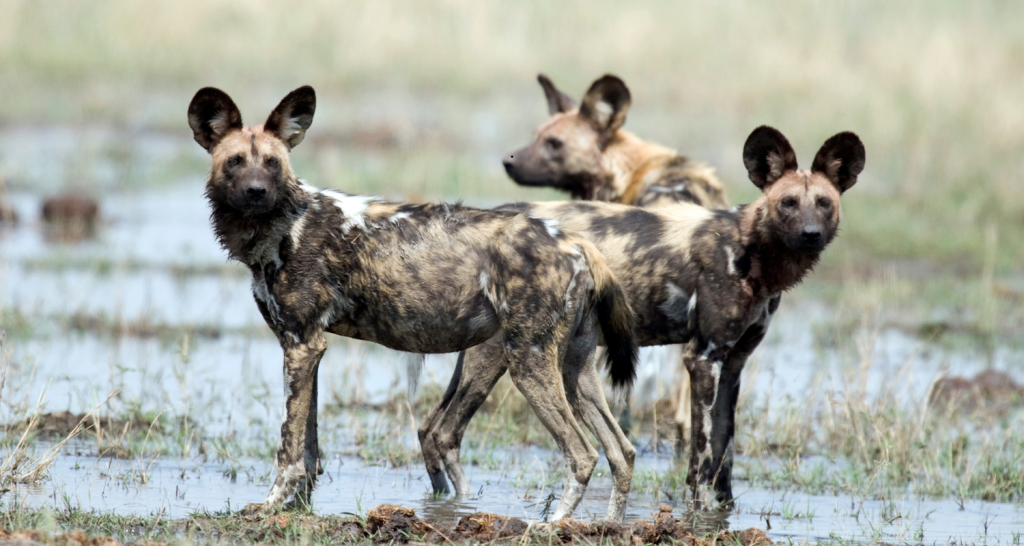
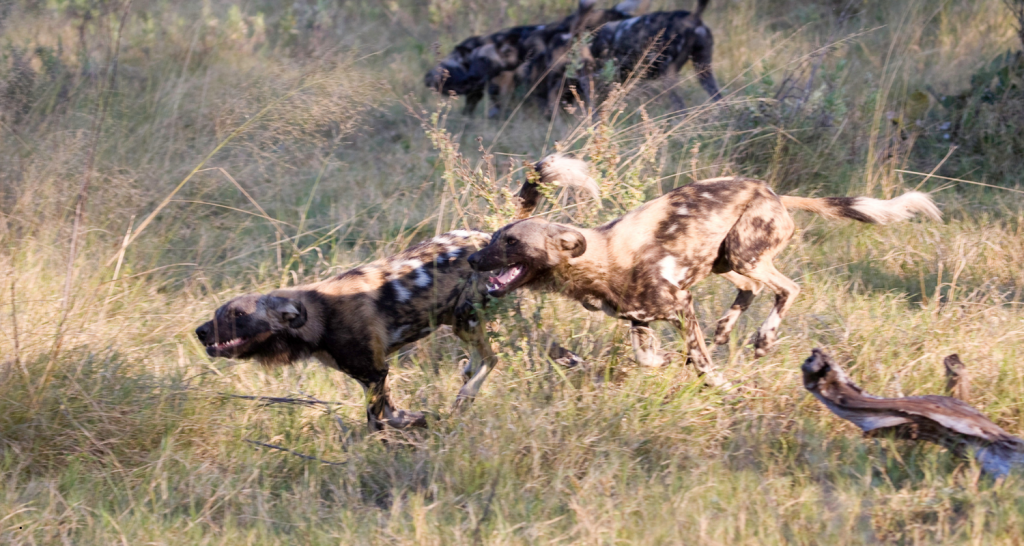
Also known as the painted wolf, the African wild dog (Lycaon pictus) is one of the continent’s most unique and effective predators.
Some key facts about this remarkable species:
- Highly social animals: Wild dogs live in tight-knit packs led by a dominant breeding pair, with strong cooperation between members.
- Exceptional hunters: They are among Africa’s most successful hunters, with a success rate of up to 80%, far higher than most large predators.
- Built for endurance: Wild dogs can run at speeds of up to 60 km/h, sustaining long-distance chases across almost any terrain.
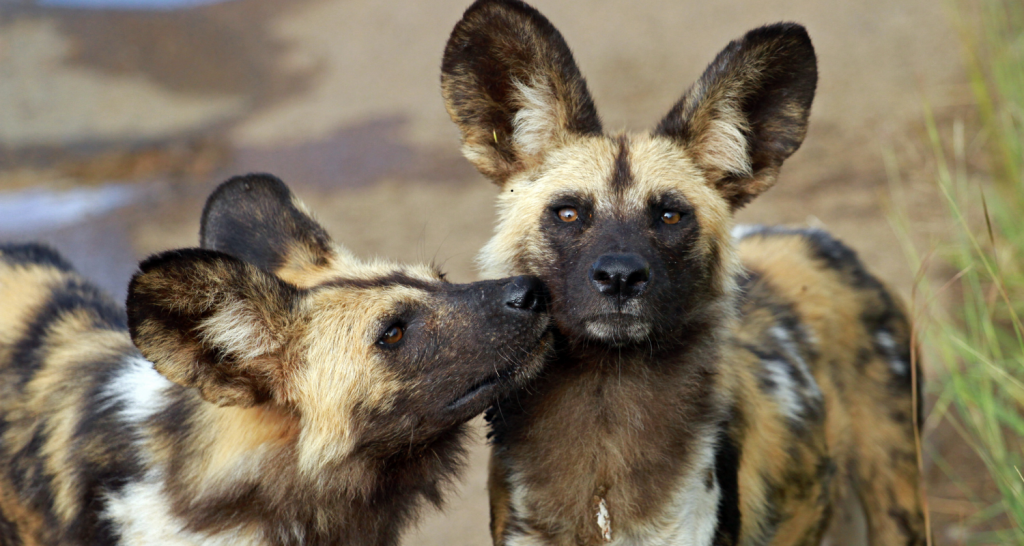
- Each one is unique: No two wild dogs have the same coat pattern — each individual can be identified by its markings.
- Critically endangered: Fewer than 7,000 individuals remain in the wild, with habitat loss, human-wildlife conflict and disease posing ongoing threats.
Their survival depends on large, connected landscapes — making areas like the Klaserie Private Nature Reserve and the Greater Kruger ecosystem vital to their future.
Collaboration for Conservation
This re-collaring effort is a powerful example of Collaboration in action. By working alongside the Endangered Wildlife Trust, veterinary professionals, Researchers and conservation teams across the region, we strengthen our collective ability to protect this species.
It also reflects the importance of Connection — connecting data to decision-making, people to purpose, and conservation efforts across landscapes that extend far beyond any single reserve.
Through ongoing monitoring and research, we continue to advance Conservation, ensuring that informed, science-led approaches guide our actions.
And through these shared efforts, we build a stronger Community of custodians — united in the responsibility of protecting one of Africa’s most iconic predators.
A Future Worth Protecting
Every intervention, no matter how small, contributes to a larger story — one of resilience, adaptation, and hope. The successful re-collaring of this wild dog is not just a moment in time; it is part of a long-term commitment to ensuring that future generations will still experience the presence of these remarkable animals in the wild.
At Klaserie, we remain dedicated to safeguarding the wild — together.