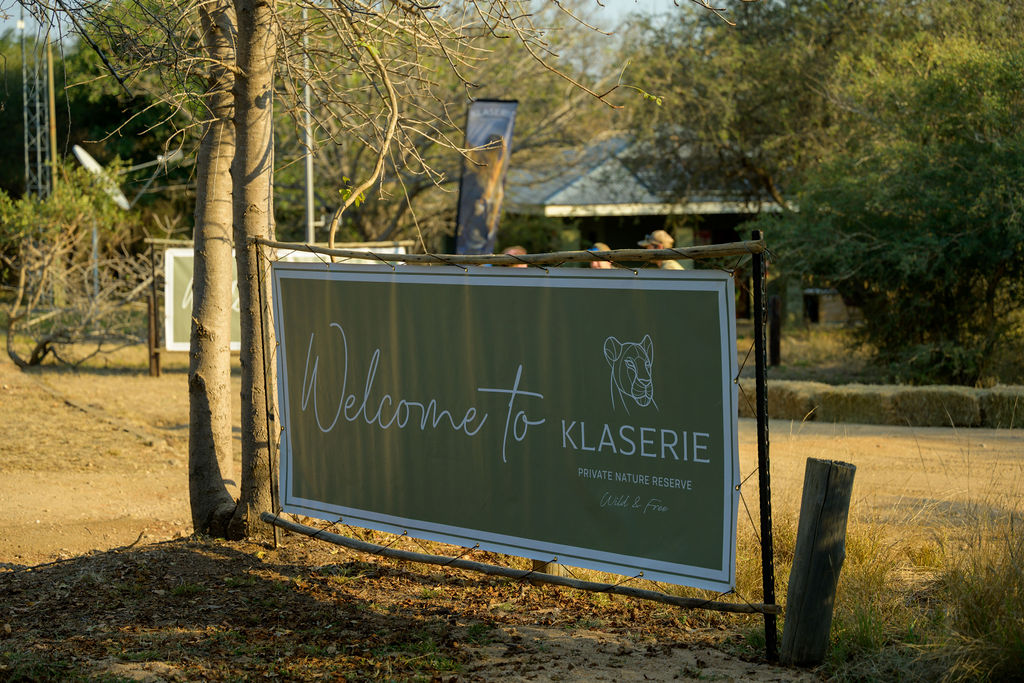
The Klaserie Private Nature Reserve is part of a connected conservation landscape that extends far beyond our boundaries, linking protected areas, landowners, tourism operators, conservation organisations, communities and government partners in one of Africa’s most significant wilderness systems.
The recently published Greater Kruger Socio-Economic Impact Report 2024/25 provides an important opportunity to step back and look at this bigger picture, and to understand how conservation contributes not only to biodiversity, but also to employment, tourism, local economies and communitie
For Klaserie, it is a reminder that the work taking place here forms part of something much greater.
A landscape bigger than any one reserve
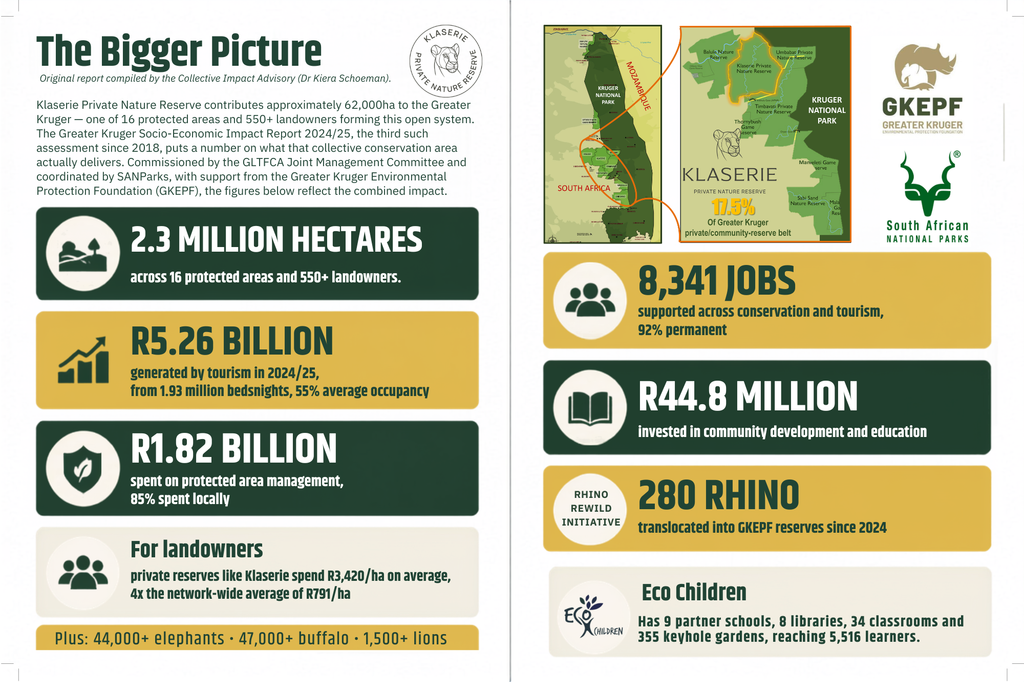
The report brings together data from 16 protected areas participating in the Greater Limpopo Transfrontier Conservation Area Cooperative Agreement. Collectively, these areas represent more than 2.3 million hectares of conservation estate, involving more than 550 landowners and over 170 commercial entities.
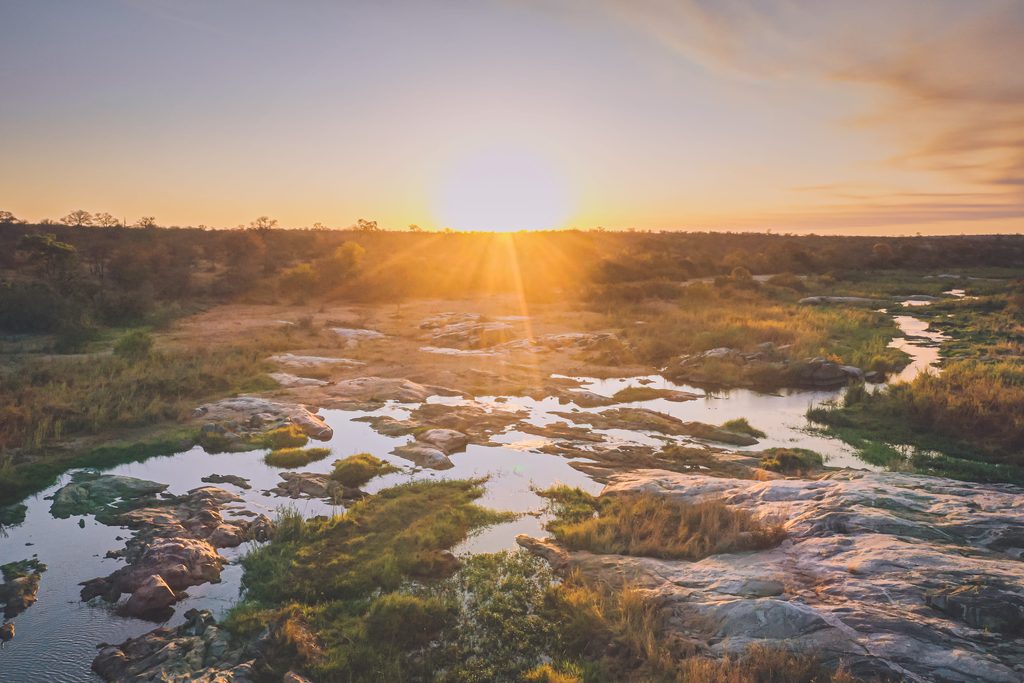
This is a landscape where ecological systems, wildlife movements and socio-economic realities do not stop at reserve boundaries.
The report describes the vision as a “Mega Living Landscape”, recognising that conservation, sustainable economic development and community wellbeing need to work together across the broader landscape.
For the Klaserie, this connected approach is fundamental to what it means to be part of the Greater Kruger.
We are not an isolated island of conservation. We are one part of a much larger system.
Conservation is an economic contributor
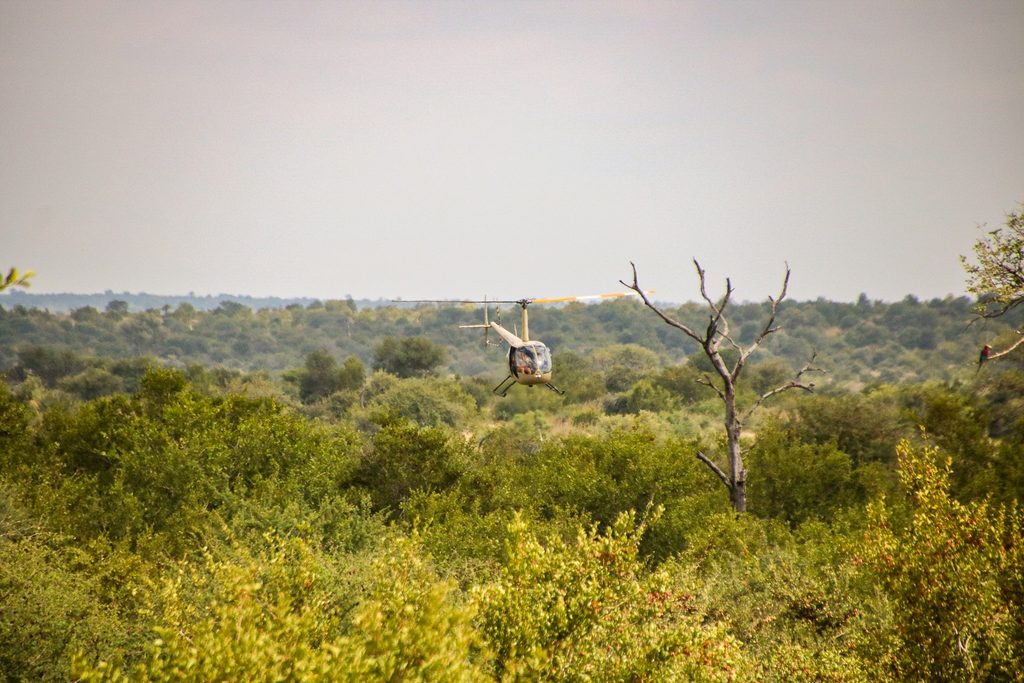
The scale of resources required to manage protected areas is significant.
Across the Greater Kruger Protected Area Network, R1.82 billion was spent on protected area management during 2024/25, with 85% of operational expenditure spent locally. A further R253.9 million was invested in infrastructure upgrades and new developments.
These figures demonstrate that conservation requires ongoing investment in people, infrastructure, equipment and services.
The report also highlights the broader economic multiplier created by this expenditure. Protected areas spent R2.1 billion in operational and capital expenditure, generating an estimated R1.5 billion in Gross Value Added (GVA). GVA measures the value that economic activity adds to the wider economy, showing the contribution generated through conservation-related spending and operations. 90% of the GVA contribution was retained locally. This activity supported more than 11,384 full-time equivalent jobs through indirect and induced effects.
In other words, the impact of conservation extends well beyond the people employed directly within a reserve.
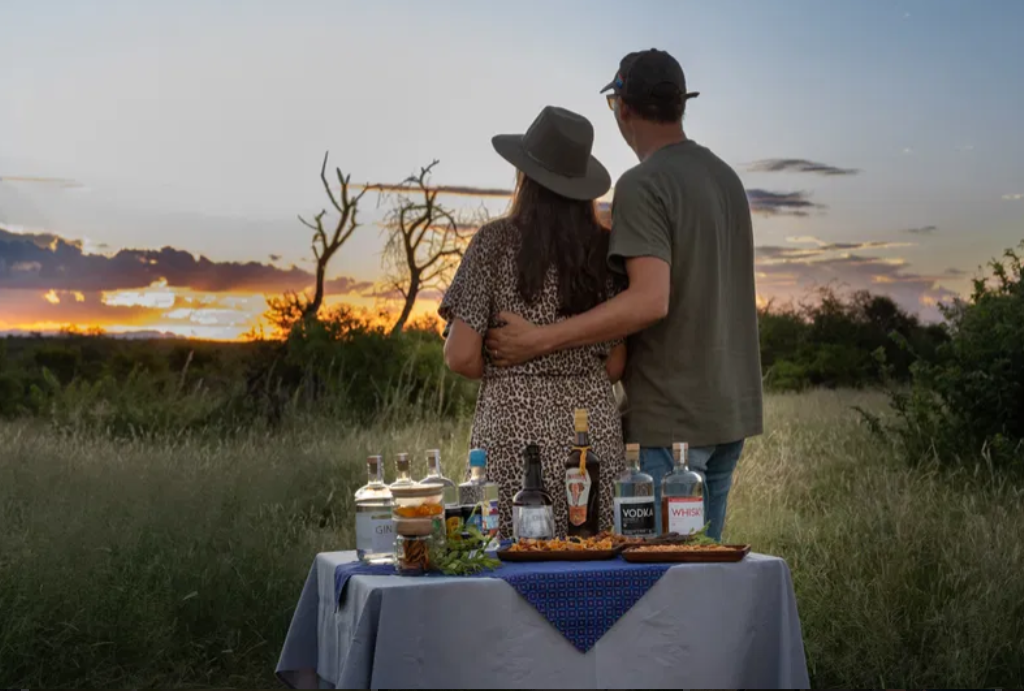
Tourism helps sustain the landscape
Tourism is another important part of this picture. Across the participating Greater Kruger protected areas, tourism generated R5.26 billion in visitor spending from approximately 1.93 million bednights during 2024/25.
Importantly, the report shows the direct relationship between tourism and conservation. It estimates that around 7% of visitor spending was allocated to conservation fees, while more than 11% was generated as concession revenue supporting protected area management.This is where the experience of visiting a place like the Klaserie becomes part of something much larger.
Every safari, every overnight stay and every tourism-related service contributes to an economic system that helps sustain protected areas and the people working within them.
The report estimates that tourism-related visitor spending supported a further 14,299 full-time equivalent jobs through the multiplier effect — where spending generated by tourism flows through the wider economy, supporting additional jobs and economic activity in related businesses and services.
Conservation creates employment and opportunity
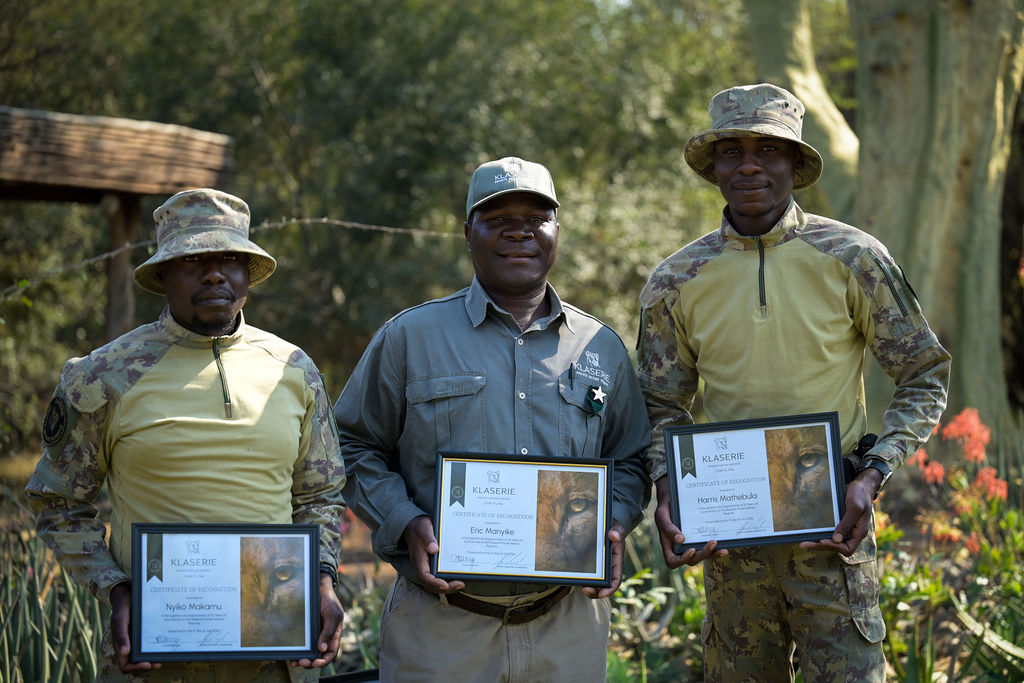
The Greater Kruger is also a significant employer. The report’s overall summary records 8,341 direct jobs supported across conservation and tourism, with 92% of these roles being permanent. Tourism accounts for a significant portion of this workforce.
Beyond simply creating jobs, the report highlights the importance of training and capacity building, including opportunities in leadership, management, hospitality, culinary arts and field guiding, alongside foundational training such as fire safety and first aid.
For a landscape that relies heavily on people to protect, manage and share its wilderness, investing in people is inseparable from investing in conservation.
Conservation must include communities
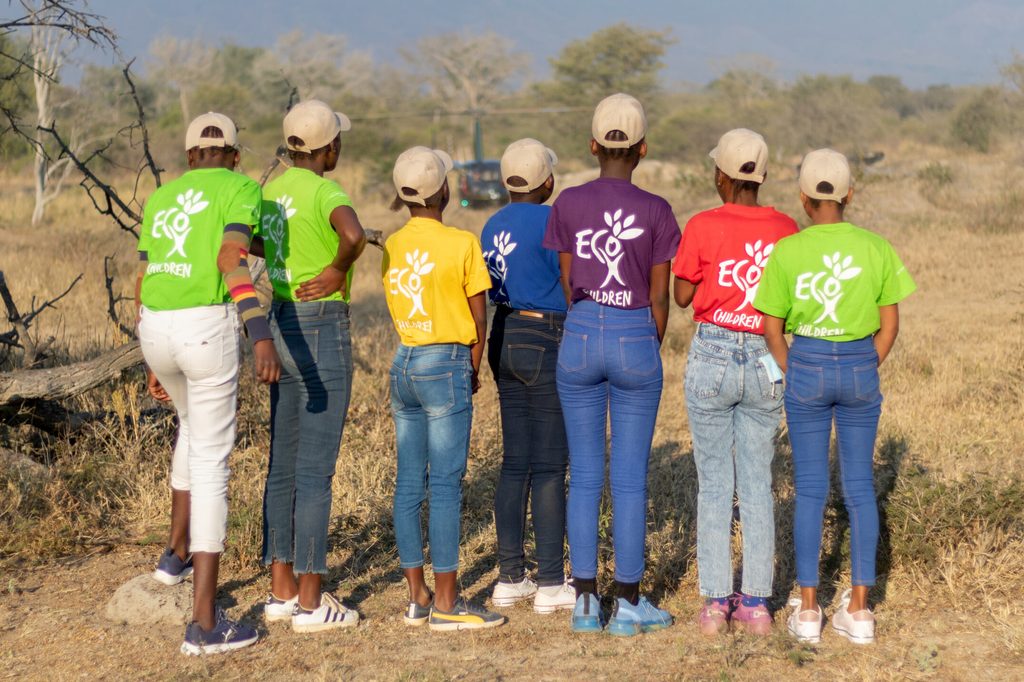
Perhaps one of the most important messages from the report is that the future of conservation is closely connected to the wellbeing of neighbouring communities.
More than 2.9 million people live within the rural and peri-urban areas surrounding the Greater Kruger Protected Area Network. The report highlights unemployment, financial vulnerability and access to economic opportunities as significant challenges affecting communities and their relationship with protected areas.
Across the network, an estimated minimum of R44.8 million was invested in community development initiatives, including educational support, poverty alleviation, infrastructure and other community programmes. The report also notes that the actual investment is considerably higher because not all contributions are captured in the available data.
This is an important part of the bigger conservation story.
Protecting landscapes cannot be separated from the people who live alongside them.
Klaserie’s contribution to the bigger picture
For Klaserie, one example of this connection is the work of Eco Children, the reserve’s outreach and social responsibility programme.The report specifically highlights that Eco Children has established eight school libraries, Collectively, these libraries have impacted more than 6,500 students and teachers across partner schools.
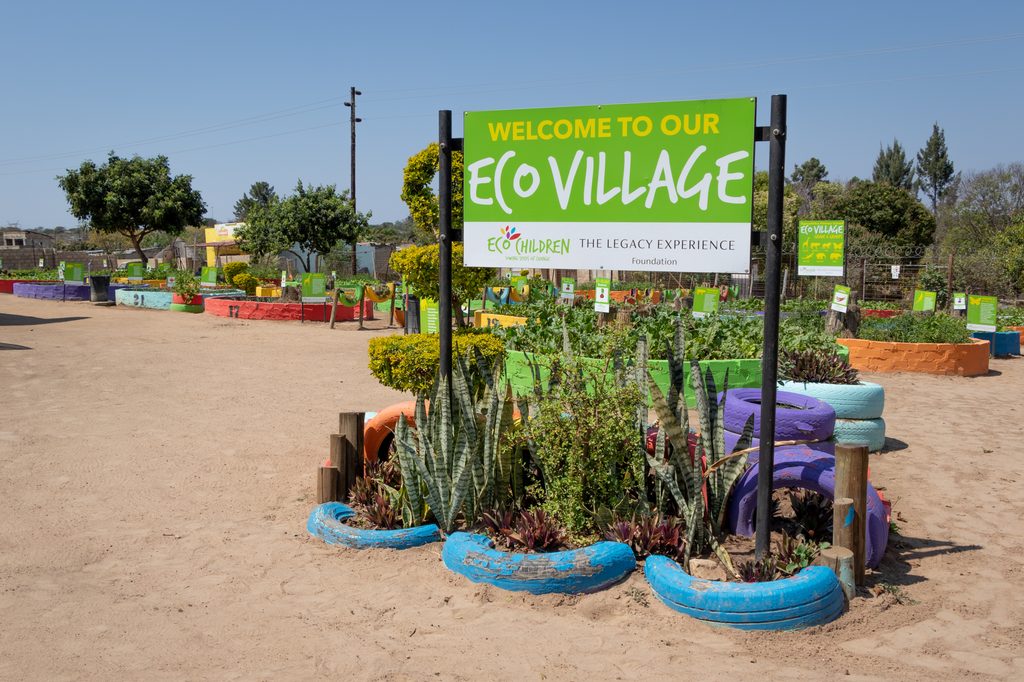
It is one example of how the work connected to a protected area can extend beyond the reserve’s physical boundaries and into the communities around it. And it is only one part of Klaserie’s contribution.
Across the reserve, conservation depends on rangers, management teams, ecological monitoring, security operations, infrastructure maintenance, partnerships, tourism and the ongoing commitment of the people who live and work within this landscape
One reserve. One landscape. A shared responsibility.
Although the Greater Kruger Socio-Economic Impact Report is ultimately about more than numbers, the numbers help us understand the scale of what happens when conservation is approached collectively.
2.3 million hectares.
16 protected areas.
R1.82 billion in protected area management expenditure.
R5.26 billion in visitor spending.
8,341 direct jobs.
R44.8 million in recorded community investment.
Millions of people connected to the landscape.
And behind every number are people, places, businesses, communities and conservation efforts working within a landscape that does not recognise administrative boundaries.
For the Klaserie Private Nature Reserve, being part of the Greater Kruger means understanding that our work contributes to something bigger than ourselves.
Our conservation efforts form part of a connected system.
Our people are part of a much larger conservation workforce.
Our tourism contributes to a broader socio-economic model.
Our community initiatives form part of a growing network of investment in the people living alongside protected areas.
And the wilderness we care for is part of a landscape whose future depends on collaboration.
At Klaserie, we are proud to play our part.
One landscape. Many contributors. One shared future.